

Residents living in isolated communities along the Canada-U.S. border are urging the Canadian government to maintain a trusted traveller program that streamlines their entry into Ontario and Manitoba without the need to stop at customs checkpoints.
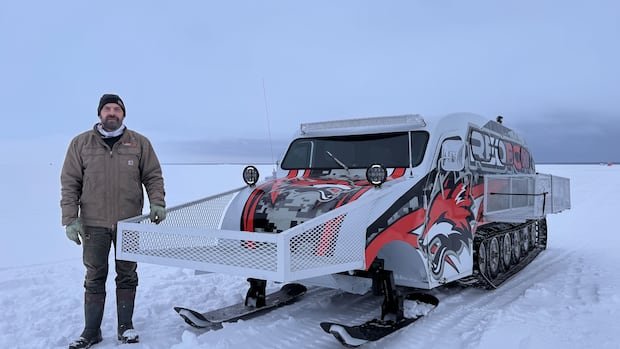
Jason Goulet, who runs Angle Outpost Resort and Red Fox Ice Fishing in Northwest Angle, Minn., emphasized the convenience of the program for frequent travelers within his family. The Remote Area Border Crossing (RABC) program by the Canada Border Services Agency currently allows Canadian and American residents to undergo background checks and receive an annual permit for entry into certain remote areas without reporting to a CBSA officer.
The areas covered by the program in Ontario include Cockburn Island, Sault Ste. Marie’s upper lock system, waterways from Pigeon River to Lake of the Woods, and the Canadian shore of Lake Superior. Northwest Angle, located north of the 49th parallel and surrounded by Canada, is also part of the program. Access to this area is limited to boat or ice road travel, with the only land route being through Manitoba.
Without an RABC permit, individuals must either report to a border station or use designated telephone reporting sites. The CBSA’s decision to end the permit program on September 14 has raised concerns among residents and tourists who will now have to make phone calls to customs officers for border entry.
The move is part of a $1.3 billion border security enhancement initiative driven by pressure from U.S. President Donald Trump. While the CBSA argues that the change aligns with existing entry reporting processes, critics doubt its effectiveness in enhancing border security.
Indigenous communities fear that the new reporting system will pose additional challenges to their cross-border mobility rights. Under the Jay Treaty of 1794, First Nations people have the right to freely cross the Canada-U.S. border, but recent enforcement actions by U.S. Immigration and Customs Enforcement have complicated this process.
Nathan Truesdell, owner of Jerry’s Bar and Restaurant in Northwest Angle, suggested adopting a technology-based solution similar to the U.S. system. He proposed implementing an app-based reporting system like the U.S. Customs and Border Protection’s ROAM app, which streamlines border check-ins using smartphones or designated kiosks.
While the CBSA is currently focused on telephone reporting, Truesdell and others believe that embracing technology such as a mobile app could offer a more efficient and convenient border crossing experience for travelers in remote areas.