
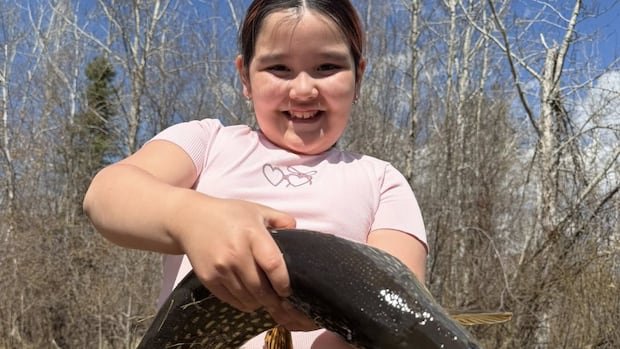

A Saskatchewan First Nation has implemented an innovative approach to educate its students about the environment. Clearwater River Dene Nation, located approximately 520 kilometers north of Saskatoon, has adopted a seasonal land-based learning strategy to enhance student engagement and knowledge retention.
Grade 11 student Landon Moise expressed enthusiasm for the unique learning opportunities provided by this model. Students are exposed to various activities such as interacting with scientists, conducting sampling exercises, and collaborating with industry professionals like NexGen at their future mine site.
One of the focal points of the curriculum is teaching students the traditional practice of snare fishing. Under the guidance of Paul Haynes, the school’s land-based educator, students learn to craft fishing snares using materials like rabbit snare wire attached to long branches sourced from flexible trees like poplar or birch.
Locating and catching fish using the snares is described as an art form by Haynes. The process involves developing a keen eye for spotting fish in the water and skillfully aligning the snare for a successful catch. Despite initial challenges, students quickly adapt and excel in this traditional fishing method.
Following the disruptions caused by the COVID-19 pandemic, the school faced attendance issues and a drop in student motivation. To re-engage students, a shift in teaching methodology was necessary. The school’s new approach includes pairing older students with younger peers to mentor them during land-based learning activities.
The land-based learning program not only imparts traditional fishing techniques but also educates students on ethical and conservation principles. Students are taught to handle fish delicately to protect them from harm and ensure their responsible release back into the water. The program emphasizes the importance of exercising hunting and fishing rights ethically and distributing harvested fish among families.
Elders Doreen Louise Moise and Pauline Fontaine play a crucial role in passing down traditional knowledge to the students. Referred to as “hama” or grandmother by the students, they teach essential skills like cleaning the caught fish. The program aims to instill a sense of pride and continuity in traditional practices among the younger generation.
The incorporation of elders, hands-on learning experiences, and a focus on sustainability has transformed the school’s educational approach, fostering a holistic and enriching learning environment for students at Clearwater River Dene Nation.