
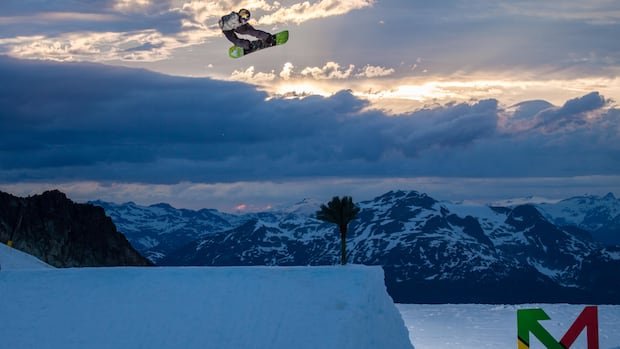

A two-part series explores the threat of climate change to winter sports, focusing on how it impacts summer skiing and snowboarding on Whistler Blackcomb’s Horstman Glacier. Momentum Camps, a renowned training ground for young athletes aspiring for Olympic success, has seen its operations disrupted due to the rapid melting of the glacier. The loss of summer training opportunities has forced athletes to seek alternative training locations in Europe, leading to increased costs and lifestyle disruptions.
The closure of summer skiing at Horstman Glacier serves as a stark reminder of the challenges faced by winter sports due to global warming. A study commissioned by the International Olympic Committee in 2024 highlighted the diminishing number of suitable locations to host Winter Olympic Games, with climate change posing a significant threat to the future of such events.
Efforts are underway to address the impact of climate change on winter sports, with discussions taking place at the UN Climate Conference, COP30. Proposals to bring back summer skiing on Whistler Mountain involve innovative solutions such as relocating snow-making facilities higher up the glacier and implementing snow farming techniques to preserve snow over the summer months.
The financial implications of losing access to summer skiing are significant, with costs associated with training in other countries being described as “astronomical.” However, there is optimism that collaborative efforts involving stakeholders and partners could lead to the development of sustainable long-term solutions for summer training venues.
While the focus remains on finding practical solutions to preserve winter sports, there is also a recognition of the environmental impact of such initiatives. Balancing the need for snow preservation with minimizing the carbon footprint of winter sports activities is a key consideration for stakeholders in the industry.
Federal Secretary of Sport Adam van Koeverden emphasizes the cultural significance of winter sports in Canada and the importance of ensuring their continued viability in the face of climate change. Collaborations with organizations like Protect Our Winters aim to address the dual challenge of sustaining sports while reducing their environmental impact.