

Edmonton’s upcoming city council will face the challenge of balancing residents’ desire for maintained services with their reluctance to accept higher taxes, according to recent polling conducted by Janet Brown Opinion Research for CBC News. The survey revealed that citizens prioritize improvements in snow clearing, road maintenance, crime reduction, and homelessness solutions, all while expecting no increase in taxes.
As the election approaches, former city officials suggest that the incoming council will need to find innovative ways to navigate these competing demands. The survey, which gathered input from 1,000 Edmonton residents between October 1 and October 8, highlighted that 75% of respondents consider residential property taxes a critical issue for the next four years. Simultaneously, an equally significant number of people emphasized housing affordability, homelessness, and crime as top concerns.
Former Mayor Stephen Mandel noted that serving on the city council entails making tough choices and reconciling conflicting priorities. Mandel emphasized the impossibility of pleasing everyone and stressed the importance of making decisions that benefit the community as a whole.
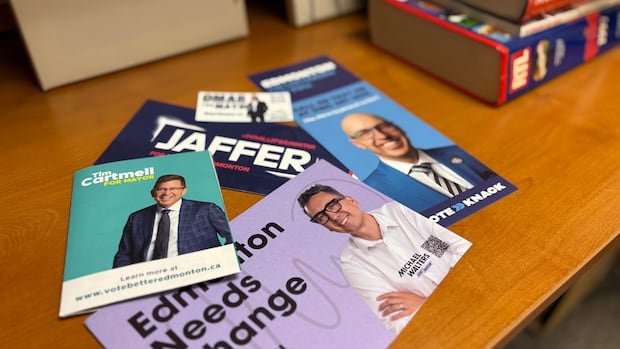
Tax policies have been a focal point in the mayoral race, with candidates like Omar Mohammad pledging a property tax freeze, Tim Cartmell committing to keeping tax hikes in line with inflation, and Michael Walters advocating for significant reductions in proposed increases. However, Andrew Knack cautioned against overly ambitious promises, highlighting the need to balance tax considerations with maintaining essential services. Knack proposed restructuring the budgeting process to address the city’s evolving needs effectively.
While the idea of a tax freeze may seem appealing, former city councillor Karen Leibovici emphasized the significance of addressing underlying financial management challenges in the city. She acknowledged residents’ growing impatience with increasing taxes and stressed the need for strategic financial planning.
Mandel, a supporter of Walters’ campaign, rejected the notion that lower tax increases equate to reduced services, advocating instead for creative budget cuts and a more focused city agenda. He pointed out areas where spending could be optimized and suggested leveraging private sector solutions or provincial support for certain issues like housing and homelessness.
In conclusion, finding a balance between financial prudence and service delivery will be a key challenge for Edmonton’s next city council, requiring strategic decision-making and innovative solutions to meet residents’ expectations while maintaining fiscal responsibility.