
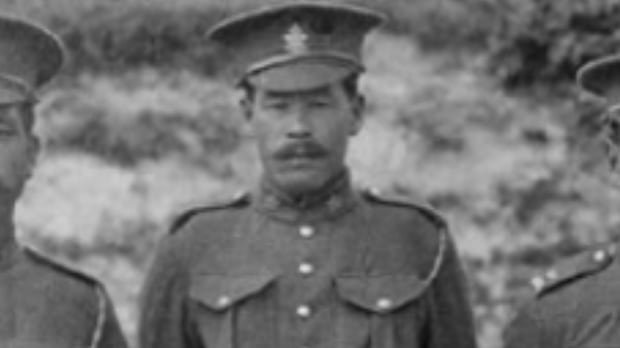

After a century of neglect, the visages of Japanese Canadian veterans who served in World War I are finally showcased on the streets of Vancouver for the first time. Through over 15 years of meticulous research, a community historian delved into archives, sought out descendants, and unveiled the heroic deeds of these forgotten soldiers, advocating for the acknowledgment they rightfully deserve.
Debbie Jiang, the historian behind this endeavor, expressed her mission to revive the memory of these individuals, emphasizing that their significant contributions had been buried in obscurity. She lamented the tragic oversight that had veiled their service due to a dark period in Canadian history that cast a shadow over their stories, concealing them not only from the public eye but often from their own families as well.
During the tumultuous era of World War II, all Japanese Canadians, including the veterans, were unjustly branded as “enemy aliens.” Subsequently, thousands were forcibly relocated to internment camps in British Columbia, where their assets were seized and sold. Kelly Shibata shared how his understanding of his grandfather’s remarkable military legacy was only propelled forward after engaging with Jiang.
The Japanese Canadian soldiers who enlisted during World War I defied stereotypes, with many being older individuals in their 30s and 40s, some already seasoned veterans. Despite encountering systemic racism and being disenfranchised in 1895, they journeyed to Alberta, the sole province permitting their enlistment, to serve on the front lines. Jiang highlighted their determination to advocate for their right to vote, a cause they valiantly fought for amid personal sacrifices.
These soldiers won the respect of their comrades over time, transcending language barriers and earning a reputation for their fierce combat skills honed through prior military engagements. Military records attest to Otoji Kamachi’s service in the 52nd Battalion during pivotal battles such as Vimy Ridge, Hill 70, Ypres, and Passchendaele.
Although nearly 200 Japanese Canadians served in World War I, only a handful were recognized for acts of bravery, while over 50 lost their lives. Kamachi, despite surviving the war with multiple gunshot wounds, endured further hardships during World War II when he, along with 22,000 other Japanese Canadians, was uprooted and interned.
Despite enduring these injustices, Kamachi persevered, rebuilding his life as a farmer and raising a family. He witnessed the long-awaited federal right to vote granted to Japanese Canadians in 1948 but passed away before receiving a formal apology and compensation in 1988. His family remembers him with pride, honoring his military service with a Union Jack-draped casket.
Today, Kamachi’s image stands tall on a banner in downtown Vancouver alongside other Japanese Canadian veterans, symbolizing their valor and resilience. The legacy of these veterans serves as a poignant reminder of their sacrifices and dedication to a country that once failed to recognize their contributions.