
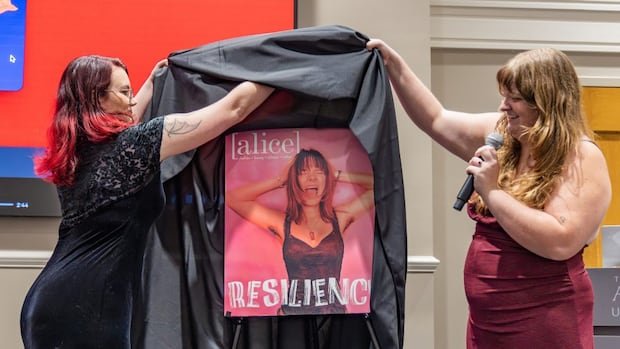

Leslie Klein expressed astonishment at the sudden closure of the student publication Alice, which focuses on women’s issues, by the University of Alabama. The university cited compliance with anti-diversity measures enforced by the Trump administration as the reason for shutting down both Alice and Nineteen Fifty-Six, a Black student publication.
Klein, the managing editor of Alice, highlighted the perceived violation of freedom of speech and press, stating that the situation has left everyone feeling confused and uncertain about the next steps. The editors of the affected magazines received the news on Monday, with Gabrielle Gunter of Alice describing the decision as “dumbfounding.”
While the editor of Nineteen Fifty-Six, Kendal Wright, expressed devastation over the closure, the university justified its actions by referencing a memo from U.S. Attorney General Pamela Bondi cautioning against discriminatory practices under Diversity, Equity, and Inclusion (DEI) programs, which have been targeted by the Trump administration.
In response to the closures, the University of Alabama affirmed its commitment to legal obligations but emphasized that students’ First Amendment rights remain intact. However, Klein contested the notion of discrimination, asserting that Alice welcomes contributions from individuals of all genders and identities.
The Foundation for Individual Rights and Expression (FIRE) has demanded the reinstatement of the magazines, asserting that the university overstepped by silencing student media. This move is seen as part of Trump’s broader stance against DEI programs in educational institutions.
Despite the university’s offer to support a new student magazine with a broader focus, Klein and her colleagues remain dedicated to preserving Alice, even if it means relaunching under a different name with external funding. They view the magazine as a crucial platform for amplifying voices on campus, particularly those of women.