
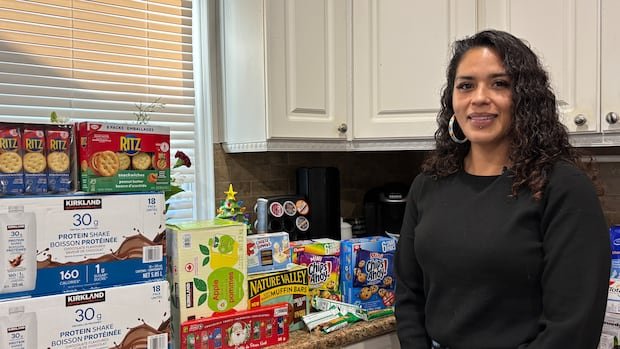

Rachel Montour emphasizes the significance of small gestures, such as a cigarette or a fresh pair of socks, in restoring a sense of humanity for individuals experiencing homelessness. “A simple moment of eye contact can serve as a reminder of one’s identity or potential,” Montour shared with CBC Hamilton.
Having battled addiction since the age of 10, Montour, now 34 and three years sober, is embracing a transformative experience by assembling care packages for the homeless in Brantford, Ont. She initiated this endeavor last year as a way to give back and redefine the holiday season, initially funding the effort herself and receiving community support from Six Nations this year.
Expressing gratitude for the overwhelming positivity surrounding her initiative, Montour, a member of the Kanien’kehá:ka, Wolf Clan, welcomed donations until December 18 and intends to distribute the care packages on Christmas Eve to bring joy to those in need.

Impact on Indigenous Community amid Drug Crisis
The care packages include essentials like a warm meal, gift vouchers, winter coats, snacks, and even items like clean socks, journals, and information on available support resources.
Some packages will also feature marijuana pre-rolls and cigarettes, items that Montour believes can be beneficial, drawing from her own experience. “Marijuana helped stimulate my appetite, aiding in managing withdrawal symptoms and promoting better sleep,” she explained.
Having grappled with addiction for two decades, Montour stressed that she was deeply entrenched in substance abuse by the time she was in ninth grade, despite not fully acknowledging it at the time. Data from the Chiefs of Ontario and the Ontario Drug Policy Research Network indicates that in 2021, opioid-related fatalities were seven times higher among First Nations individuals in Ontario compared to their non-Indigenous counterparts.
-
Concerns Mount Over Rising Overdoses in Six Nations
-
Six Nations Event Aims to Combat Stigma Around Addiction Survival
-
Insight into Why Aboriginal Women Are Victims of Human Trafficking
Research from the Canadian Medical Association Journal (CMAJ) underscores the disproportionate impact of the drug crisis on Indigenous communities, with some provinces reporting higher mortality rates among Indigenous populations due to addiction.
The desire to establish the care package initiative as