

In Brazil, a global forum is currently ongoing to deliberate on extending protections for some of the world’s renowned species. Among the creatures under consideration for inclusion in the Convention on the Conservation of Migratory Species of Wild Animals (CMS) are sharks, giant otters, hyenas, and snowy owls. These species share a common trait of not being confined to a single habitat, necessitating collaborative efforts across multiple nations to mitigate threats like deforestation, climate change, and industrial fishing that endanger their survival.
At the opening press conference in Campo Grande, Brazil, Elizabeth Maruma Mrema, the deputy executive director of the UN Environment Programme, emphasized the interconnectedness of these species, highlighting their role in linking continents, oceans, ecosystems, and cultures. Experts interviewed by CBC News shed light on the movements, challenges, and potential solutions for these species.
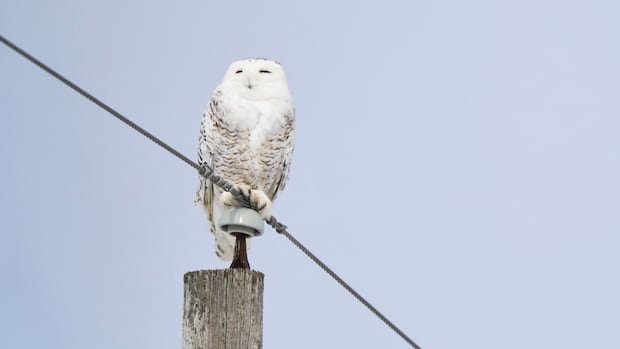
Snowy owls, described as charismatic by Jean-François Therrien, a senior scientist at Hawk Mountain Sanctuary, are facing a decline in some regions, with Sweden recently declaring them regionally extinct due to the disappearance of their key food source, lemmings. While snowy owl populations in Canada and the United States are relatively stable, countries at the species’ range peripheries are witnessing a decline. Despite not being on the brink of extinction, Canada has yet to provide formal protections for snowy owls, although discussions are ongoing following a threat assessment by the Committee on the Status of Endangered Wildlife in Canada (COSEWIC).
Ecuador is proposing stricter protections for critically endangered hammerhead shark species through Appendix I of the CMS, aiming to address overfishing and habitat threats. Dr. Pelayo Salinas de León, a marine ecologist, highlighted the vulnerability of hammerheads due to their gregarious behavior and the high demand for their fins and cartilage in global markets. The proposal seeks to facilitate recovery through measures like marine protected areas and sustainable fisheries management.
Giant otters, known as sentinels of aquatic quality, are facing habitat loss and fragmentation due to droughts, deforestation, and hydropower projects in South America. Biologist Caroline Leuchtenberger emphasized the importance of maintaining river connections and collaborative efforts among countries to safeguard viable habitats for this apex predator. The ongoing conference, with 42 new migratory species proposals on the agenda, will continue until March 29, with parties deliberating on the inclusion of these species in the appendices.