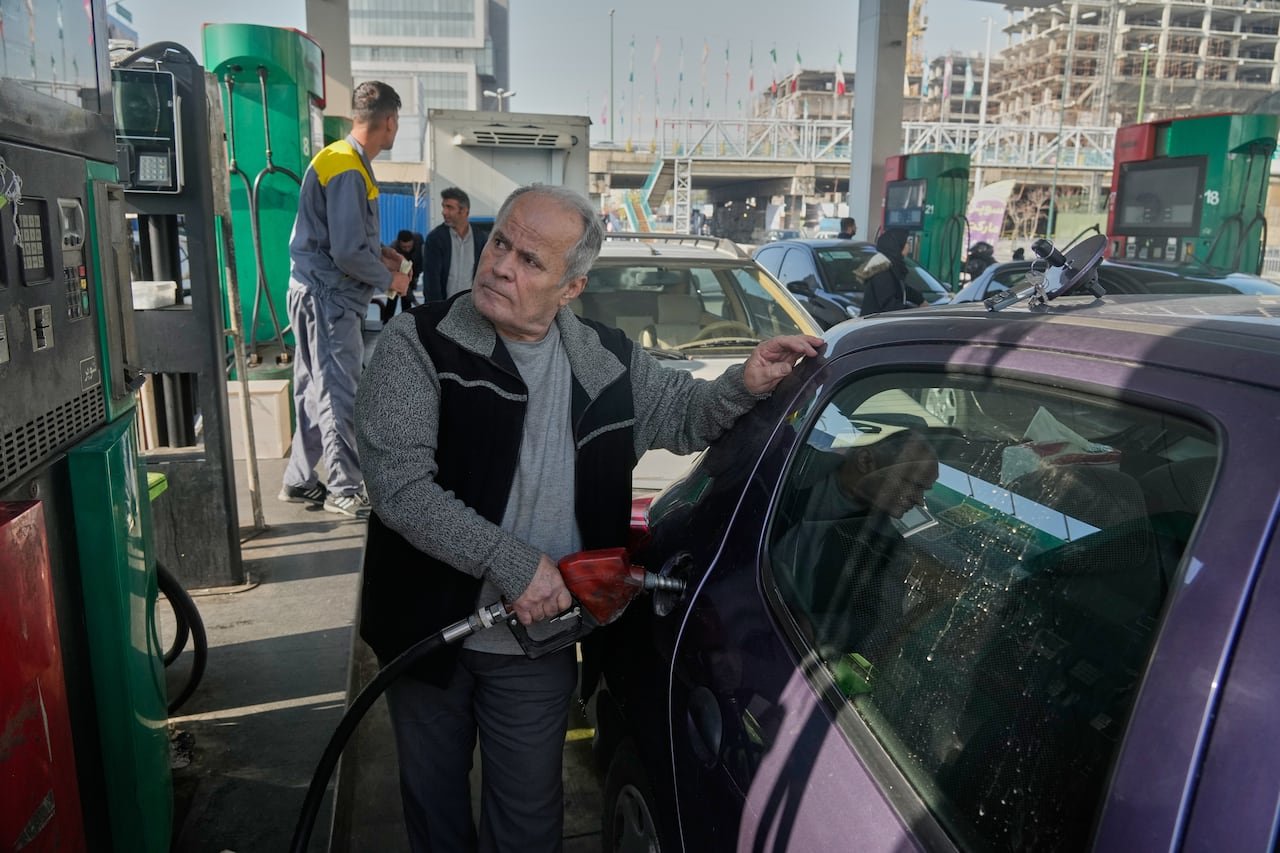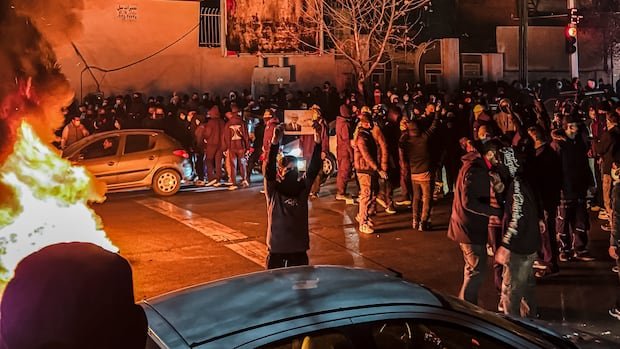

Iran is facing significant challenges to its clerical rule, with nationwide protests erupting against the government’s economic policies. What started as demonstrations against soaring prices have evolved into broader anti-government protests targeting the clerical establishment that has ruled Iran for nearly five decades.
Reports indicate that over 2,000 individuals have died in the ongoing unrest, with the U.S. threatening military action while Iran vows retaliation if attacked. The situation has led to global rallies in support of the protests, alongside pro-government demonstrations within Iran.
Despite government crackdowns and communication restrictions, Iranians continue to demonstrate for freedom in the face of economic hardships. The protests are unique in their focus on economic grievances, signaling a potential shift in Iran’s political landscape.
As tensions escalate, observers question whether these protests mark a turning point for Iran’s people.
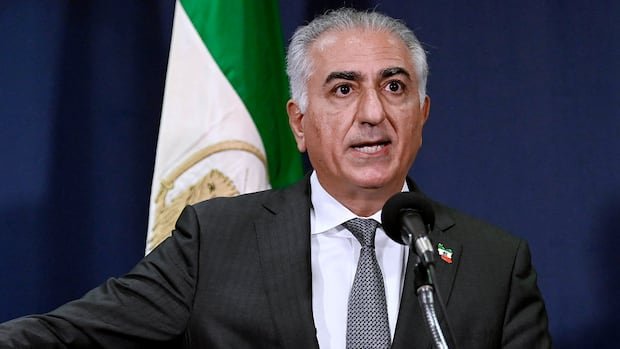
Reza Pahlavi, a prominent figure in the current protests in Iran, is examined by CBC’s Ashley Fraser. The exiled crown prince plays a divisive role in the ongoing anti-government demonstrations.
What Triggered the Protests?
The demonstrations originated from widespread inflation issues, sparking public outrage as basic commodities became unaffordable. The economic crisis, exacerbated by recent conflicts and international sanctions, has led to a sharp decline in Iran’s currency value and living standards.
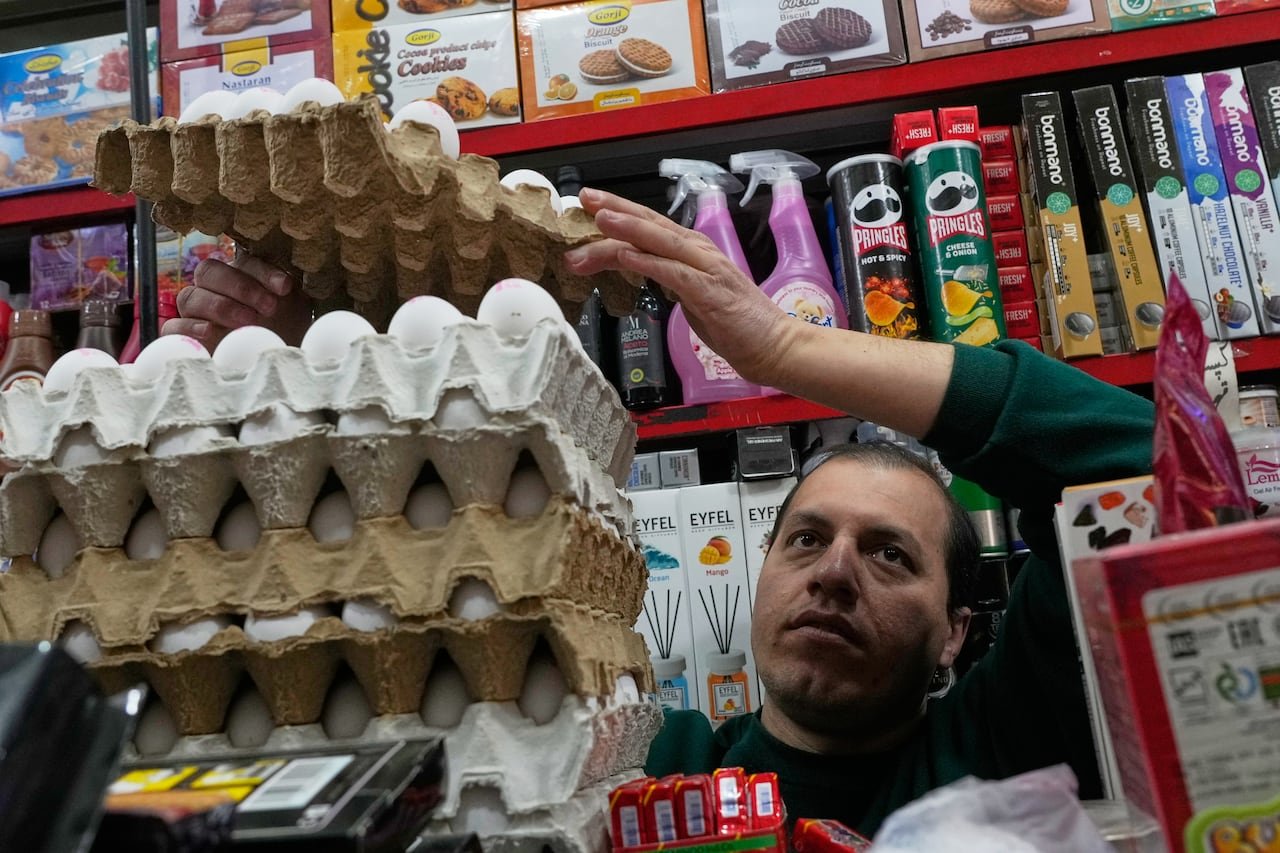
The government’s economic policies, including adjustments to fuel prices and exchange rates, have further strained the population, leading to widespread discontent.