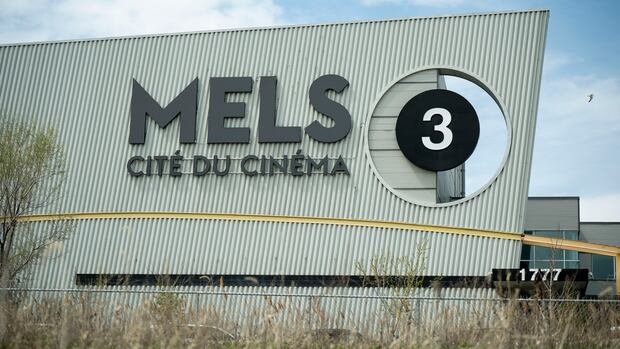

One of the leading post-production companies in Canada is shutting down its Quebec facility, which is home to one of the few film development laboratories in North America for professional film productions. Patrick Jutras, the president of Montreal’s MELS studio, confirmed this decision in a statement to CBC. Jutras mentioned the lack of attractive tax incentives to draw foreign productions to the city and a decrease in local investment in audiovisual production as reasons for closing the photochemical lab in the upcoming months.
Although MELS itself is not closing, Jutras stated that the studio is repositioning and consolidating specific post-production services to align with market demands and ensure profitability. Consequently, the photochemical lab and a projection room will be closed, while the remaining post-production services will be relocated to a new site.
In a statement to CBC, Jutras emphasized the sentimental value attached to the now-closing facilities by many artists, especially the analog film laboratory, the only one of its kind in Canada. He urged for urgent government intervention to support the struggling local audiovisual sector and prevent the erosion of Quebec’s expertise in the industry.
Digital versus Film
With the film industry predominantly shifting towards digital production methods, MELS’ photochemical lab has been a vital option for filmmakers interested in working with and developing 16mm and 35mm film for broad distribution. According to Concordia film professor Michael Yaroshevsky, MELS’ facility is one of the three “full-service” development labs on the continent, capable of handling 6,100 meters of film per day, alongside counterparts in L.A. and Atlanta.
The lab’s capabilities have supported the production of various films, including “Dream Scenario” starring Nicolas Cage, “Universal Language” by Matthew Rankin, “Mommy” by Xavier Dolan, and several Quebec-made movies that have gained international recognition.

In response to the closure news, Yaroshevsky initiated a petition to preserve the photochemical studio. The petition has garnered 2,577 signatures by Friday afternoon, with Yaroshevsky stressing the importance of saving the photochemical lab for many local filmmakers.
“While digital technology is prevalent and valuable in the market, film continues to thrive in Montreal and beyond,” Yaroshevsky expressed in a statement. “Students aspire to learn and create using celluloid, and it must remain accessible as a medium for filmmaking. Our aim is not against progress but against a diminished future.”


Providing reliable news, thoughtful insights, and balanced coverage across politics, business, culture, and global affairs. We are committed to factual reporting that informs, engages, and empowers readers every day.