
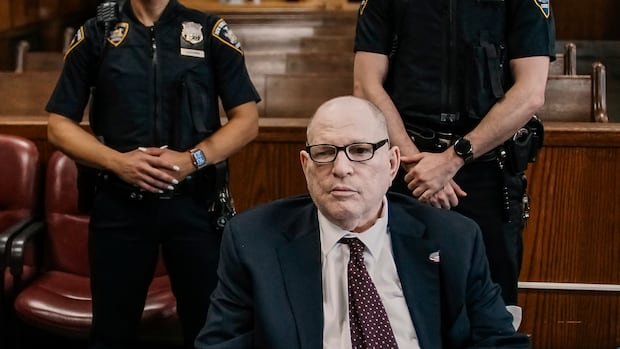

In a rape retrial, prosecutors once again depicted Harvey Weinstein as a former influential figure in Hollywood who leveraged his power for sexual assault, setting the stage for a contentious legal battle nearly eight years after his initial arrest.
Manhattan Assistant District Attorney Candace White emphasized to jurors that the core of the case revolves around power dynamics, control, and manipulation. Meanwhile, Weinstein’s lawyer Jacob Kaplan argued that the essence of the case lies in consent, choice, and regret, aligning with Weinstein’s consistent stance that the encounter in question was consensual.
Following a series of legal battles since Weinstein became a focal point of the #MeToo movement, involving convictions and acquittals on various charges, the current trial focuses primarily on a specific rape allegation from a 2013 incident in a Manhattan hotel room involving hairstylist and actor Jessica Mann.
Weinstein, now 73 and serving a prison sentence, has denied any claims of nonconsensual acts, admitting to infidelity but refuting accusations of assault. The trial jury, comprising seven men and five women, was recently selected for the proceedings.
Mann, who met Weinstein in 2013 while aspiring to establish herself in the acting industry, shared her account of a troubling encounter during a New York trip, where she alleged being coerced into a nonconsensual situation by Weinstein.
Throughout the trial, contrasting narratives have emerged, with the prosecution painting Weinstein as a manipulative figure who abused his power, while the defense underscored Mann’s continued interactions with Weinstein post the alleged incident, implying a reevaluation of events over time.
The trial, expected to last up to four weeks, signifies a pivotal moment in Weinstein’s legal saga, characterized by shifting alliances and evolving testimonies.