
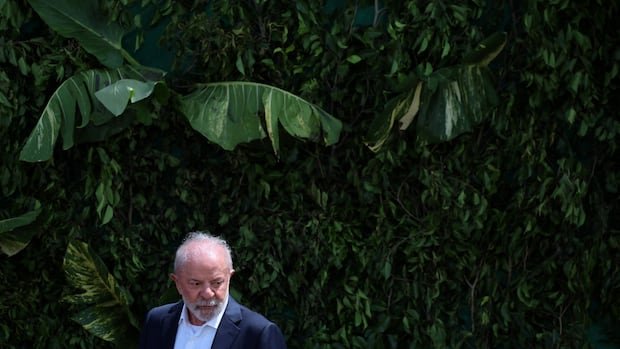

A new ambitious initiative is underway at the COP30 UN climate conference in Brazil this week, aiming to safeguard tropical forests by raising $125 billion USD. Brazil spearheads the Tropical Forests Forever Facility (TFFF), designed to incentivize countries that can curb deforestation and channel funding towards clean energy projects in developing nations. The TFFF operates as an investment fund, with contributions from donor countries and the private sector.
Norway’s environment minister, Andreas Bjelland Eriksen, emphasized the shift from curbing deforestation to permanently preserving tropical rainforests. Norway has pledged $3 billion USD, the largest commitment to the fund to date, followed by Brazil with $1 billion, Indonesia with $1 billion, and France with approximately $500 million.
Brazilian officials, after a year of planning, aim to secure an initial $10 billion USD in the fund’s first year, with over half of the target already pledged. The innovative financing model of the TFFF encourages investments in developing countries, directing funds towards forest conservation efforts.
Tropical forest loss reached record levels in 2024, highlighting the urgency of preserving these biodiverse regions and crucial carbon sinks. The proposed fund will invest in bonds issued by developing nations for clean energy initiatives, utilizing the interest generated to compensate countries for preserving tropical forests.
Brazilian President Luiz Inácio Lula da Silva called for global action to protect the Amazon rainforest, hosting the COP30 summit in Belem to underscore the importance of conservation efforts. While operational details of the fund are pending, Brazil’s experience with the Amazon Fund, which has raised $853 million USD, sets a precedent for leveraging financial mechanisms to safeguard forests.
The new forest facility aims to gather $25 billion USD from donor countries as an initial investment, expanding to $100 billion with contributions from philanthropic and private sectors. Over 70 tropical nations, encompassing one billion hectares of tropical forest, will benefit from the fund, with 20% of funds earmarked for Indigenous communities. Once fully operational, the facility is projected to generate around $4 billion USD annually for conservation initiatives.
Eriksen stressed the global significance of forest preservation, highlighting its benefits not only for Brazil but also for countries like Norway dependent on tropical rainforest conservation. Canada’s Environment Minister, Julie Dabrusin, is expected at COP30 but has not announced a contribution to the forest facility yet.