

Flowers Go Beyond Beauty: The Evolutionary Marvels and Partnerships of Flowers
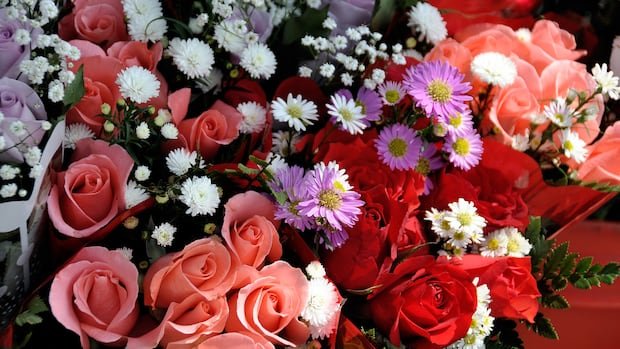
On Mother’s Day, flowers symbolize more than just beauty; they convey emotions like love, gratitude, and joy. In 2025, over 425 million flowers were harvested in greenhouses nationwide. Biologist David George Haskell highlights that while we admire flowers for their aesthetics and aromas, their evolutionary journey often goes unnoticed.
Flowering plants emerged approximately 130 million years ago, rapidly spreading worldwide and now representing about 90% of plant species. Haskell explains a pivotal advancement in flowers was uniting male and female reproductive organs within a single bloom. This innovation allowed insects to efficiently transfer pollen, enhancing reproduction.
Flowers evolved vibrant colors and scents to attract pollinators, forming mutually beneficial relationships. Susan Dudley, a plant evolution expert, notes that flowers’ diversity reflects millions of years of co-evolution with animals, ensuring effective pollination strategies. Different pollinators are drawn to specific flower characteristics; for instance, bees favor blue, yellow, or pink flowers with landing pads.
Flowers also devised ingenious methods to aid their offspring through fruit – mature flowers that encase and disperse seeds. Fruit plays a crucial role in seed dispersal, encouraging animals to transport seeds away from parent plants. Quentin Cronk, a botany professor, emphasizes that plants fundamentally shape ecosystems, determining the existence of various animal species.
Human intervention can disrupt the delicate balance of these relationships, especially when breeding flowers solely for visual appeal. Dudley advocates for a shift in perspective towards appreciating flowers for their ecological significance. Haskell suggests conscientious gardening practices, such as avoiding pesticides and planting native species, to support diverse wildlife populations.
By understanding and valuing the intricate workings of flowers, individuals can foster a deeper connection with nature and appreciate the profound impact of flowers on the world’s ecosystem.