

A Toronto-based startup, Aurmada, is at the forefront of incorporating artificial intelligence (AI) into clothing and footwear. The company, led by CEO Zavosh Zaboliyan, aims to revolutionize the fashion industry by infusing technology into everyday wearables. With nearly 40% of Canadians owning wearable technology, according to a recent survey, the demand for smart clothing is on the rise.
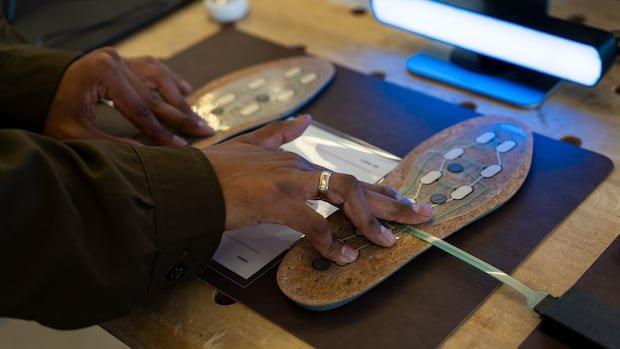
Zaboliyan, inspired by a personal injury experience, founded Aurmada to explore how AI can enhance clothing functionality. By integrating AI into garments, the potential applications are vast, from monitoring vital signs to detecting objects in blind spots. The company showcased innovative designs at a recent technology event, including shoe sole sensors for gait analysis and clothing embedded with AI-powered virtual assistants.
Aurmada is also researching advanced fabrics that incorporate metals to shield sensors from interference and exploring the use of solar panels for powering wearable tech. In addition to high-tech prototypes, the company offers practical products like bulletproof shirts and muscle-stimulating socks. Their vision extends to creating purpose-built apparel for various industries, such as security and defense.
Designers worldwide are experimenting with responsive fibers and smart textiles. Initiatives like Adobe’s color-changing dress and Levi’s interactive jacket with Google demonstrate the fusion of technology and fashion. The Fashion Institute of Technology’s DTech Lab is a hub for innovative creations, including garments that adapt to the wearer’s emotions and surroundings.
While the potential for AI-enhanced clothing is promising, challenges like data privacy concerns and societal acceptance remain. Experts predict a gradual shift towards mainstream adoption of smart fashion over the next few years. Collaborations between fashion and technology sectors could lead to more stylish and functional wearable technology becoming commonplace in the near future.