
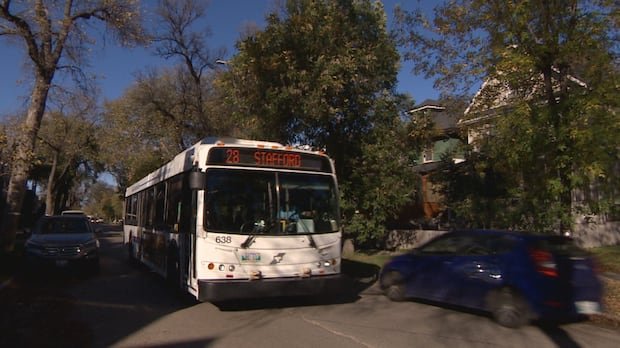

A city planning expert has raised concerns about the negative impact of Winnipeg Transit’s revised network on lower-income individuals who heavily rely on bus services. Orly Linovski, an associate professor at the University of Manitoba specializing in city planning, drafted a letter endorsed by 16 organizations, including the Canadian Centre for Policy Alternatives, the Manitoba Eco-Network, and the North End Women’s Centre, highlighting the issues with the new system.
Linovski emphasized that the extended transfer times and bus shortages in the new system are causing significant difficulties for commuters, potentially jeopardizing their employment and daily routines. She stressed that the current setup leads to delays that could result in financial penalties for workers and added costs for parents picking up their children from daycare.
The recent major route overhaul implemented by Winnipeg Transit in late June has faced widespread criticism due to various issues such as longer distances between stops and limited late-night service. While the city has made some adjustments and promised further modifications in December, Linovski underscored the urgent need for more immediate changes to address the pressing concerns.
Coun. Janice Lukes, chair of the city’s public works committee, acknowledged the challenges faced by Winnipeg Transit amid an outdated funding model. Lukes highlighted the necessity of increased funding from provincial and federal sources to enhance bus services, emphasizing the importance of community feedback during this transitional phase.
Mayor Scott Gillingham highlighted the city’s substantial investments in Winnipeg Transit, pointing out a 27% growth in the operating budget since 2020. The mayor emphasized improvements like the introduction of zero-emission buses and service enhancements based on rider input, indicating a commitment to further progress in the transit system.
The North End Women’s Centre expressed concerns over the new transit network’s impact on the community, particularly affecting those living in poverty who heavily rely on public transportation. Staff members and clients at the center have encountered challenges with the revised system, citing accessibility issues and longer walking distances to bus stops as major obstacles.
Janel Whincup, a counselor at the North End Women’s Centre, highlighted the confusion and discouragement experienced by many individuals, particularly elderly or disabled passengers and families with young children. The changes have left some feeling unsafe and reluctant to use the bus, leading to increased reliance on alternative transportation methods like rideshares.
Overall, the call for improvements in Winnipeg Transit reflects the community’s plea for a more accessible, reliable, and efficient public transportation system that caters to the diverse needs of all residents.