
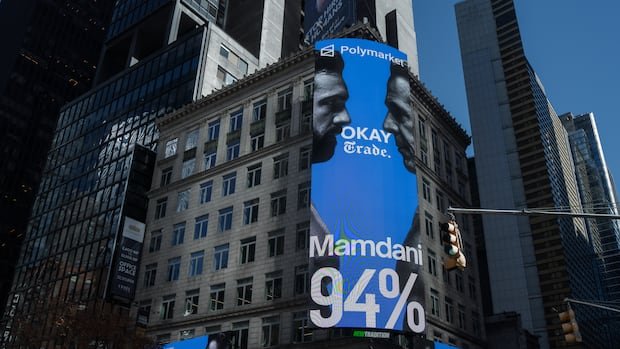

An inquiry into potential tampering of temperature sensors at the Paris airport to influence online betting outcomes has drawn attention to the increasing trend of climate-related wagers. Several accounts on the online betting platform Polymarket saw significant winnings following a sudden 5-degree Celsius temperature spike earlier this month. This incident has sparked discussions about platforms like Polymarket and Kalshi that enable users to bet on climate-related events, ranging from hurricane intensity to predicting record-breaking years.
Despite the controversies, experts suggest that weather betting could have a positive impact on climate science by potentially altering the perspectives of climate change skeptics. Moran Cerf, a neuroscience and business professor at Columbia University, conducted a study where participants engaged in betting on various climate events like the California wildfires. The results indicated that individuals who participated in these markets became more mindful and concerned about climate change, even influencing some skeptics.
One of the challenges in addressing climate change is convincing individuals with varying levels of skepticism about human-induced global warming. Despite the increasing frequency of climate-related disasters, a significant portion of the population remains doubtful about climate change causes. Prediction markets, however, offer a unique way to bridge the gap, providing immediate feedback on climate events and potentially changing perceptions through financial incentives.
Prediction markets, such as those on Kalshi, saw a substantial trading volume of $239 million USD in climate-related markets last year. These markets operate differently from traditional gambling setups, as users trade shares based on the likelihood of specific outcomes rather than betting against the house. Mark Roulston, a climate scientist at the University of Lancaster, is spearheading a project involving research teams participating in prediction markets to enhance climate forecasting accuracy and incentivize model development.
While short-term binary options are prohibited in Canada, the fintech company Wealthsimple recently received approval to offer certain prediction market contracts in the country, excluding sports and election-related bets. However, concerns persist about the efficacy of short-term climate-related bets in informing individuals about the broader implications of climate change. Moreover, incidents like data tampering, as seen in the Paris case, raise questions about the reliability of these platforms in promoting climate awareness.
Overall, prediction markets have the potential to revolutionize climate science by aggregating expert opinions, enhancing forecasting accuracy, and providing alternative avenues for research funding and risk assessment.
[Source](https://www.cbc.ca/news/science/betting-climate-polymarket-kalshi-prediction-9.7181757)