

European Union Commission President Ursula von der Leyen praised Hungary’s recent election as a triumph for essential freedoms. She drew parallels between the removal of nationalist Viktor Orbán and Hungary’s historical events such as the 1956 anti-Soviet uprising and the 1989 break from communism.
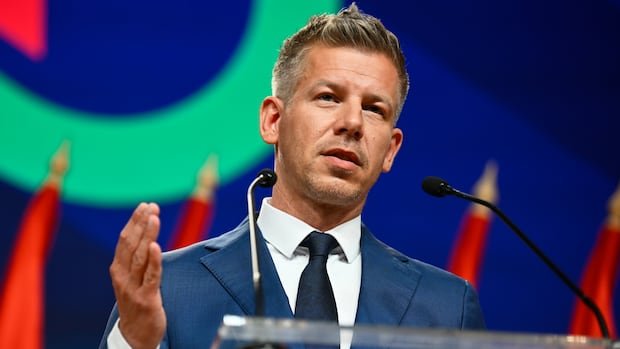
Following a significant victory for the center-right opposition fronted by Péter Magyar, a political earthquake shook Hungary, with reverberations felt globally from Washington to Kyiv. Von der Leyen commended the Hungarian people for their courage and resilience, reminiscent of their past struggles for freedom.
Orbán, a key ally of Russian President Vladimir Putin within the EU, had frequently adopted confrontational stances in both the EU and NATO, obstructing initiatives to support Ukraine. Notably, he blocked a substantial EU loan to Ukraine, accusing the country of disrupting Russian oil supplies, a claim Kyiv denied.
In response to his election win, Magyar, formerly associated with Orbán’s party, emphasized Hungary’s choice to shift towards a pro-European direction. He highlighted the significance of Hungary’s continued European integration, reaffirmed by the recent election outcome.
While Magyar expressed willingness to engage in dialogue with Putin, he affirmed that his government would not actively push for Ukraine’s swift EU accession. Additionally, Magyar stressed the urgency of ending the conflict and bloodshed in the region.
Orbán, known for his anti-communist background, faced criticism for authoritarian tendencies, including targeting marginalized groups and consolidating power through constitutional changes. Magyar’s coalition securing a two-thirds majority paves the way for constitutional reforms, including limits on prime ministerial terms.
International leaders, including British Prime Minister Keir Starmer and French President Emmanuel Macron, congratulated Magyar on his victory, signaling a fresh chapter for Hungary. Former US President Barack Obama lauded the triumph as a victory for democracy globally, drawing parallels to similar democratic wins in Poland.
Despite the US administration’s previous backing of Orbán, the new leadership’s victory received positive reactions from liberal and moderate conservative circles worldwide. Notably, US Vice President JD Vance praised Orbán’s tenure and expressed optimism about future collaborations with Hungary’s new prime minister.
The outcome of the Hungarian election also stirred reactions from various global figures, highlighting the geopolitical implications and shifting alliances following Orbán’s defeat. As Hungary embraces a new political direction, international relations are poised for potential realignments and collaborations.