
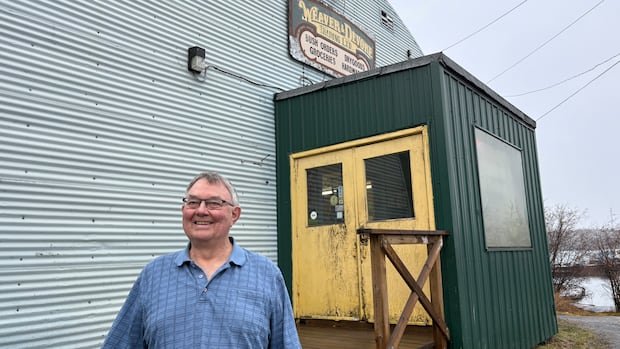

After nearly nine decades under family ownership, the renowned general store Weaver and Devore in Yellowknife is set to be sold. The store was established in Yellowknife’s Old Town in 1936 by Harry Weaver and Bud Devore. While the Weaver family has managed the store for three generations, Devore sold his stake in the company back in 1955. Harry Weaver, the grandson of one of the original founders, shared anecdotes about the store’s history in an interview with CBC News recently.
Taking over the business are Curtis Dunford and Cherish Winsor from Yellowknife, who expressed their commitment to upholding the 89-year tradition of the store. Their sons will also be involved in running the business alongside them. In a press release, Dunford and Winsor emphasized their intention to maintain the store’s legacy by keeping the doors open, shelves stocked, and ensuring reliable service for bush and camp orders.
According to the release, the store’s name, operating hours, and core product offerings, which include groceries, household essentials, and winter gear, will all remain unchanged. The original store, a historic log cabin believed to have been constructed using wood from Fort Resolution and flooring from a barge, still stands across from its current location.
The partnership between Harry Weaver’s grandfather and Bud Devore began with a barge company in the Peace River region, eventually leading them to Great Bear Lake in the Northwest Territories. The discovery of gold in Yellowknife prompted their return to the North, where they initially conducted trade directly from a barge until establishing the first shop.
In 1972, the Weaver and Devore store relocated to its present site at the Quonset hut. Harry Weaver fondly reminisced about his childhood experiences at the store, from assisting with stocking shelves to interacting with bush trappers during the holiday season. While parting with the business was a difficult decision, Weaver acknowledged the need to pass it on to a new generation due to advancing age and physical limitations.
Weaver expressed confidence in the capabilities of the new owners, praising their work ethic and innovative ideas. He anticipates positive changes under their management, particularly in terms of technological advancements. While he remained secretive about specific alterations, Weaver hinted that the store’s popular hot dog machine is likely here to stay, citing its lunchtime rush as a beloved tradition.