

Martha Reynolds is mindful of the origins of products she purchases, whether at the grocery store or the NSLC. She has consciously shifted away from buying American products, opting for alternatives like scotch whisky over bourbon. Reynolds, a former employee of the provincial wine association, praises the quality of wines produced in Nova Scotia, Ontario, and British Columbia, suggesting that there are ample domestic options without relying on California wines.
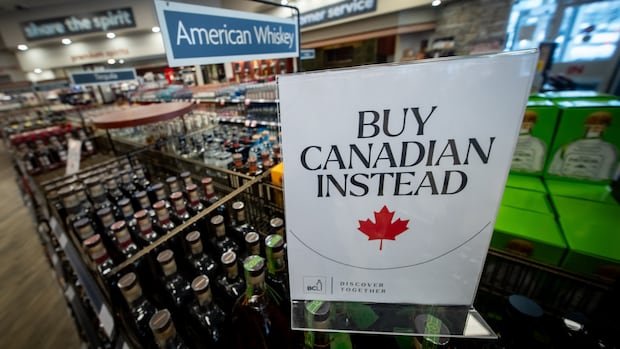
The ongoing trade war initiated by the U.S. has led to some Canadian provinces, including Nova Scotia, ceasing the sale of American alcohol. Consumers like Reynolds actively choosing to avoid American products have contributed to a significant decline in sales for American alcohol producers. Chris Swonger, the president and CEO of the Distilled Spirits Council of the United States, expressed concerns over the impact of these actions on the industry, emphasizing the need to find common ground with the Trump administration.
The council reported a 63% decrease in exports to Canada last year, attributing it primarily to the boycott of U.S. alcohol in many Canadian provinces. Additionally, some whisky producers expedited shipments to the European Union in late 2024 due to the threat of retaliatory tariffs. Excluding Canada from the figures, spirit exports saw a 2.5% increase for the year.
Although the NSLC temporarily removed American alcohol from its shelves in response to the trade war, it resumed selling existing inventory late last year without restocking. NSLC spokesperson Terah McKinnon mentioned that more details on remaining products would be available with the release of year-end financial results in June.
Swonger acknowledged the strained political relations between the U.S. and Canada, expressing hope for improved circumstances in the future. The emotional impact of the political divide has been felt deeply, affecting both countries’ spirits industries.
Products defined as American exclude those people may mistakenly perceive as such, like Budweiser brewed by the Oland Brewery in Halifax or Southern Comfort produced in Montreal, despite its association with New Orleans.
Despite the initial strong demand for American alcohol at NSLC, sales have gradually declined, prompting the corporation to reconsider future orders. Swonger suggested that reintroducing American spirits in Canadian stores could serve as a positive gesture of reconciliation between the nations.
Overall, the impact of the boycott on American alcohol sales in Canada has been significant, underscoring the complex interplay between trade disputes and consumer choices in the spirits industry.